

Introduction
Did you know that wearing your baby in a properly adjusted carrier not only drastically reduces infant crying and supports physiological health, but also requires adherence to strict anatomical safety rules to prevent silent airway obstruction? Whether you are a parent learning to navigate the world of babywearing or a textile designer sourcing safe, color-matched fabrics, understanding the mechanics behind fabric and fit is vital.
In this lesson, you will explore the essential guidelines for safe babywearing, evaluate carrier options, and understand the technical process of fabric color matching.
- Analyze the T.I.C.K.S. safety protocol and ergonomic positioning principles (M-shape and J-shape) to prevent infant injury.
- Compare different carrier types—including stretchy wraps, woven wraps, ring slings, and buckle carriers—to select the best option for specific age groups and lifestyles.
- Differentiate between textile color systems (Pantone TCX vs. PMS/C) and analyze the lab dip approval workflow.
- Evaluate Delta-E measurements and quality control metrics used in bulk fabric dyeing.
Essential Babywearing: Safety Protocols and Physiology
Babywearing provides immense biological and psychological benefits for both infants and caregivers. It aids in temperature regulation through skin-to-skin contact, promotes responsive feeding, and reduces excessive crying. However, improper positioning poses severe risks, primarily positional asphyxia and accidental falls. Young infants, particularly those under four months, lack the neck muscle strength to lift their heavy heads. If allowed to slump, an infant’s chin can rest against their chest, constricting their narrow airway and leading to oxygen desaturation without making a sound.
To prevent respiratory distress, caregivers must follow the T.I.C.K.S. safety protocol established by sling safety experts:
- Tight: The sling or carrier must fit tightly enough to hold the baby close against the wearer’s body. Loose fabric allows the baby to slump down, restricting breathing and straining the wearer’s back.
- In View at All Times: Glancing down should allow you to see your baby’s face clearly without peeling back layers of fabric.
- Close Enough to Kiss: The baby’s head should sit near your collarbone or upper chest—close enough that tipping your head forward lets you kiss the top of their head.
- Keep Chin Off the Chest: Ensure a gap of at least one to two fingers width beneath the baby’s chin to keep the airway fully open.
- Supported Back: In an upright carry, the baby’s chest and tummy should rest flat against you with their back gently supported in its natural curved “J” shape.
In addition to airway safety, proper hip alignment is critical for healthy joint development. Newborns should never hang suspended by their crotch. Instead, practice the Pelvic Tuck to achieve the “M” shape position (also known as the frog-leg position), where the baby’s knees sit higher than their bottom, and their hips rotate gently open.

Matching Carrier Types to Developmental Stages
Navigating the wide variety of baby carriers can feel overwhelming, but matching the carrier style to your baby’s age, weight, and your daily routine makes the choice straightforward. Different carrier styles distribute weight uniquely and offer distinct levels of adjustability.
Stretchy Wraps are knitted fabric lengths (often jersey or modal) highly favored during the “fourth trimester” (birth to 4 months, up to roughly 10 kg). They allow caregivers to pre-tie the fabric around their torso in a Front Wrap Cross Carry, popping the baby in and out easily without untying. However, as the baby grows heavier, stretchy fabric sags under the weight, signaling the need to transition.
Woven Wraps are woven from non-stretchy fibers such as cotton, linen, or hemp. They provide firm, diagonal give and superior support, making them suitable from birth all the way through preschool. Woven wraps permit versatile carry positions across the front, hip, and back, though they require more practice to master the tying techniques.
Ring Slings utilize a single layer of woven fabric threaded through two aluminum or nylon rings, operating via dynamic tension. Worn sash-style over one shoulder, they allow rapid loading and unloading. They excel at quick, short carries, breastfeeding on the go, and supporting curious older babies in a hip position once they have head control. Their maximum weight capacity is typically up to 35 lbs (16 kg).
Buckle Carriers (Soft Structured Carriers / SSC) feature clip-together waistbands, padded shoulder straps, and a pre-shaped body panel. They are popular for quick fitting in wet or windy conditions, sharing between different caregivers, and carrying older infants and toddlers on the back or front.
Behind the Fabric: Master Class in Textile Color Matching and Dyeing
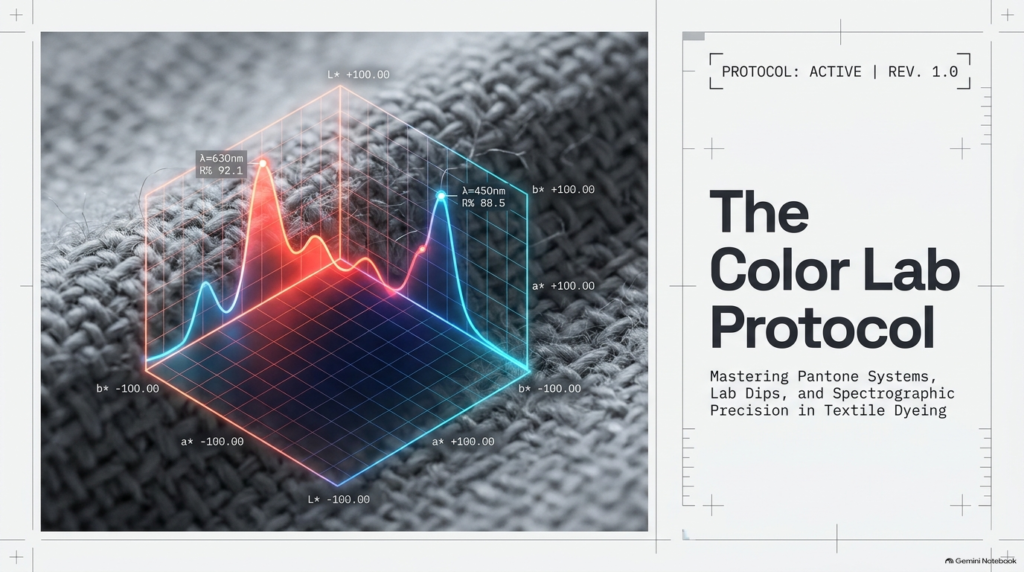
Whether manufacturing a soft baby wrap or a structured carrier, textile quality and color consistency are essential. Achieving precise, uniform color across thousands of yards of fabric requires a scientific, controlled workflow rather than relying on visual guesswork.
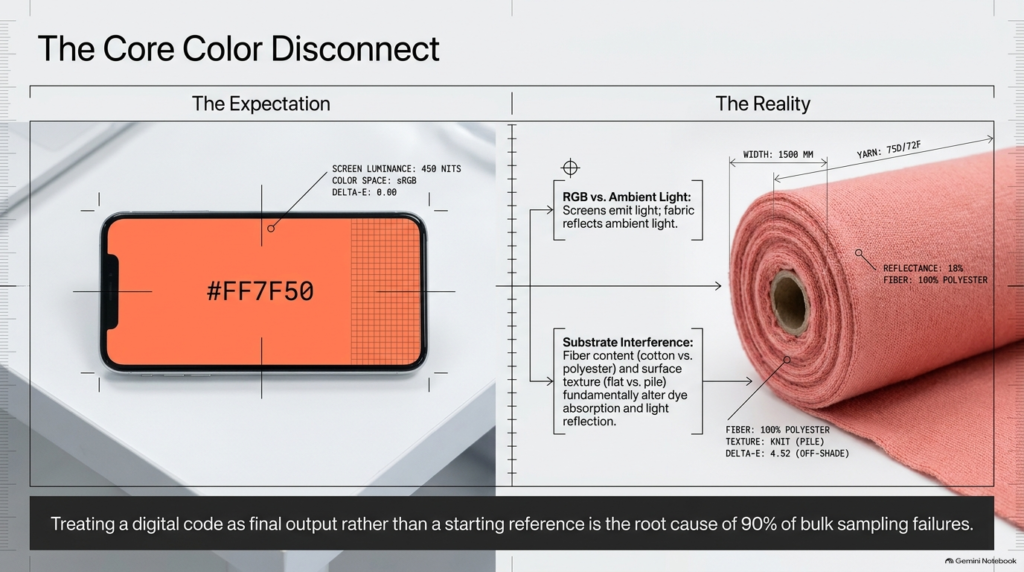
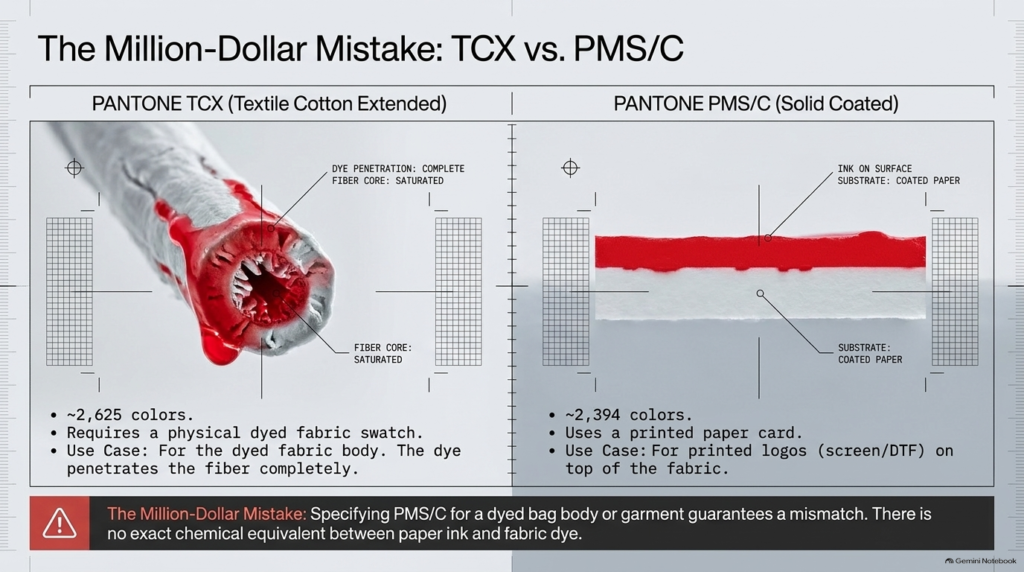
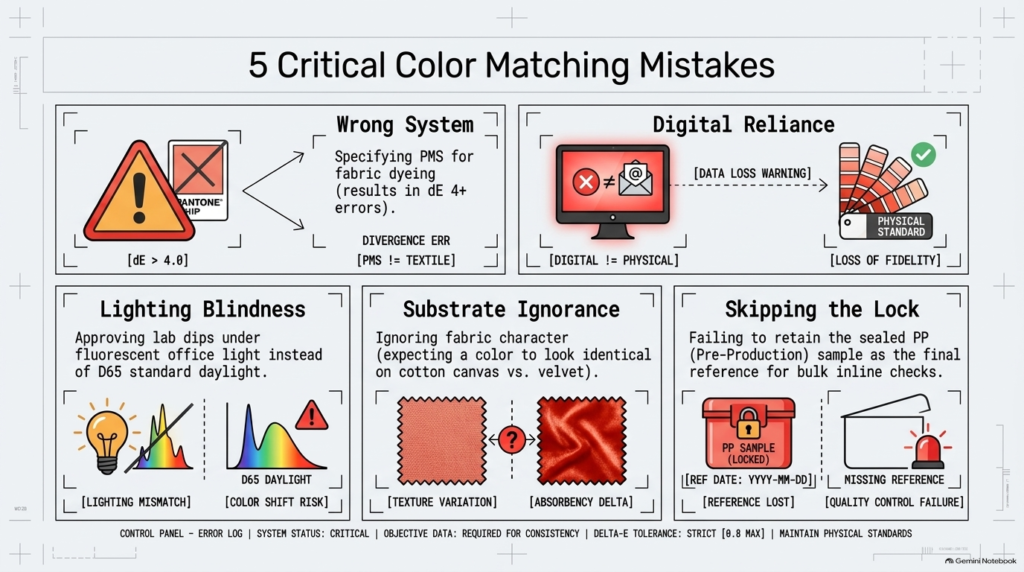
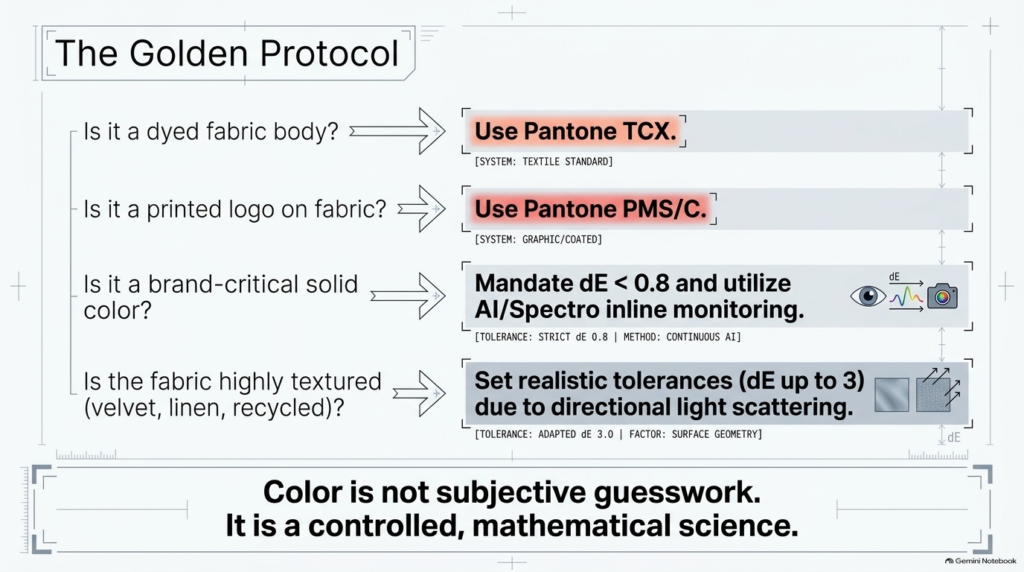
A fundamental mistake brands make is sending a standard paper Pantone code (such as Pantone PMS/C Coated) to a textile mill. Paper inks and synthetic or natural fabric fibers reflect light differently. For dyed fabric bodies, designers must specify Pantone TCX (Textile Cotton Extended), which uses actual dyed fabric swatches as the master standard. PMS/C is reserved strictly for surface-printed logo inks.
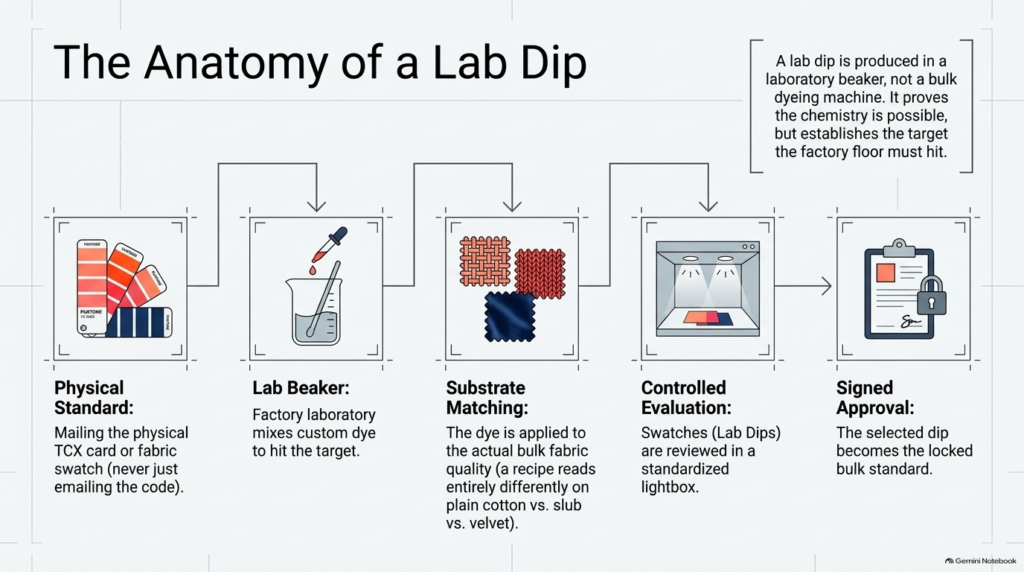
The color approval process follows a strict sequence:
- Physical Reference Submission: The brand mails a physical Pantone TCX swatch to the dye house. Monitors and screens introduce optical distortion and cannot be trusted for exact matching.
- Lab Dip Creation: Technicians mix dye chemistry in small laboratory beakers and produce 2 to 3 test swatches called lab dips.
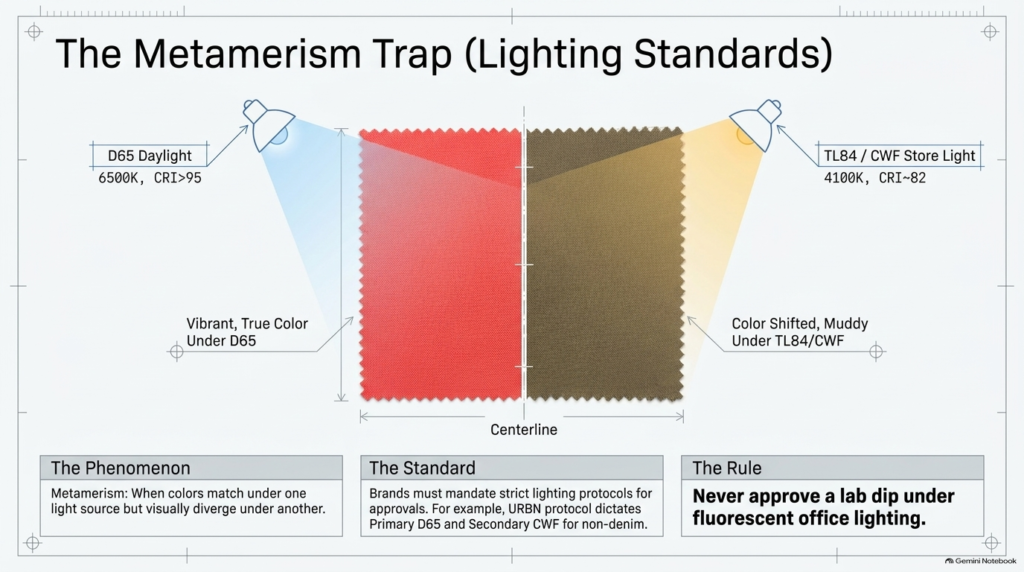
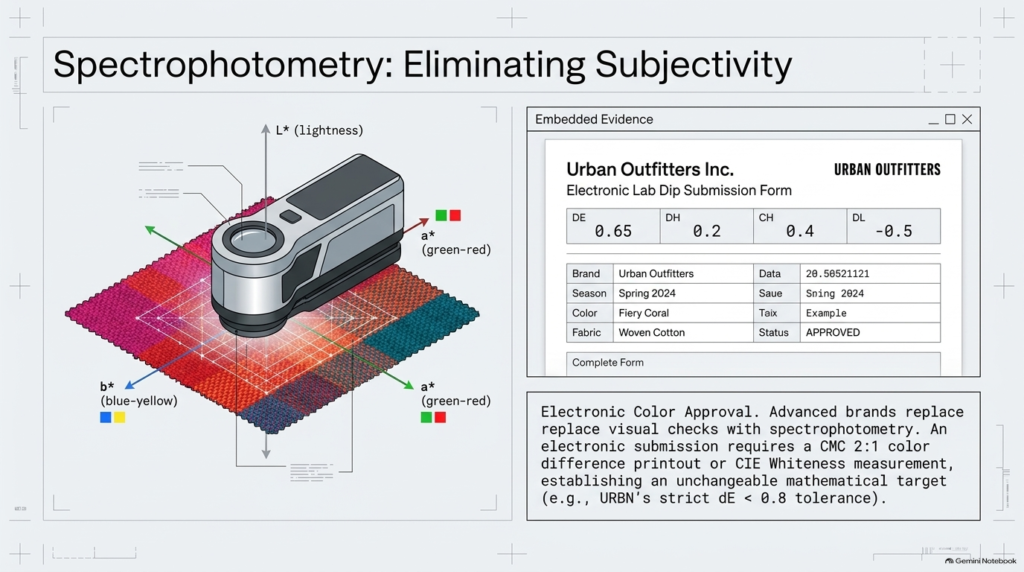
- Spectrophotometer Evaluation: The lab dip is measured using a spectrophotometer under standardized light sources (such as D65 simulated daylight or TL84 retail lighting) to eliminate metamerism—the phenomenon where colors match under one light source but clash under another.
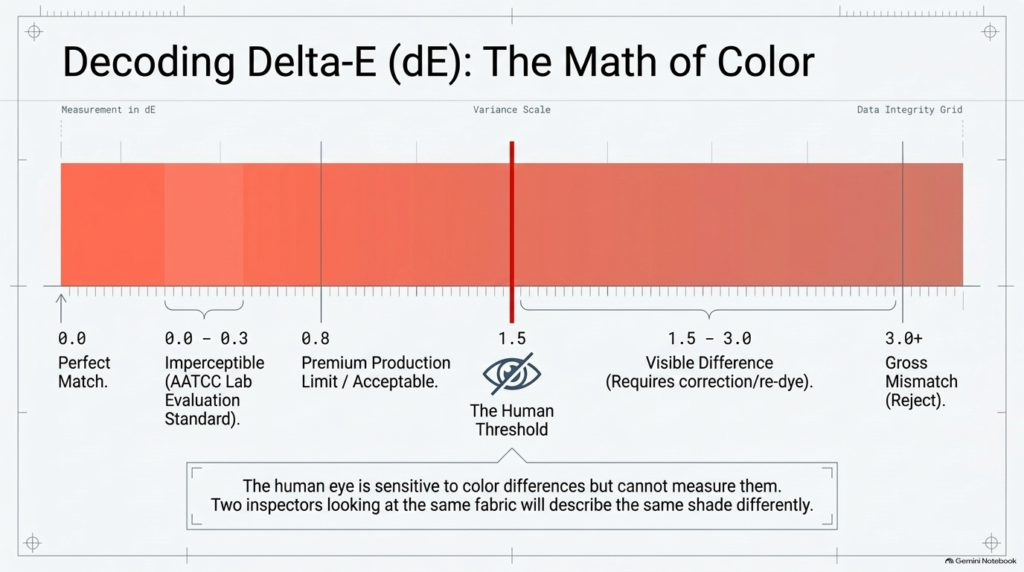
- Delta-E (dE) Measurement: Color variation is quantified in Delta-E units. A dE of 0.0 to 0.8 represents an acceptable commercial match in bulk production, while a dE above 1.5 is visible to the untrained human eye and results in batch rejection.
- Formula Lock: Once a lab dip is approved in writing, the chemical recipe is locked into automated dye bath management systems to ensure batch-to-batch consistency.


Summary
Safe babywearing relies on adherence to strict physical positioning rules to maintain open infant airways and support spinal development, while selecting the right carrier style ensures comfort across developmental stages. Behind the scenes, producing high-quality babywearing textiles requires rigorous color matching and standardized testing to ensure safety and brand consistency.
- Airway Safety First: Always enforce the T.I.C.K.S. protocol (Tight, In view, Close enough to kiss, Keep chin off chest, Supported back) to prevent positional asphyxia.
- Ergonomic Alignment: Ensure the baby’s legs form an “M” shape with knees higher than their bottom, and their spine forms a natural curved “J” shape.
- Carrier Selection: Choose stretchy wraps for early newborn snuggles, woven wraps or buckle carriers for long-term support and back carries, and ring slings for quick hip carries.
- Textile Standards: Use Pantone TCX for fabric dyeing, evaluate lab dips under D65 daylight, and maintain a Delta-E tolerance below 0.8 for commercial color accuracy.


