
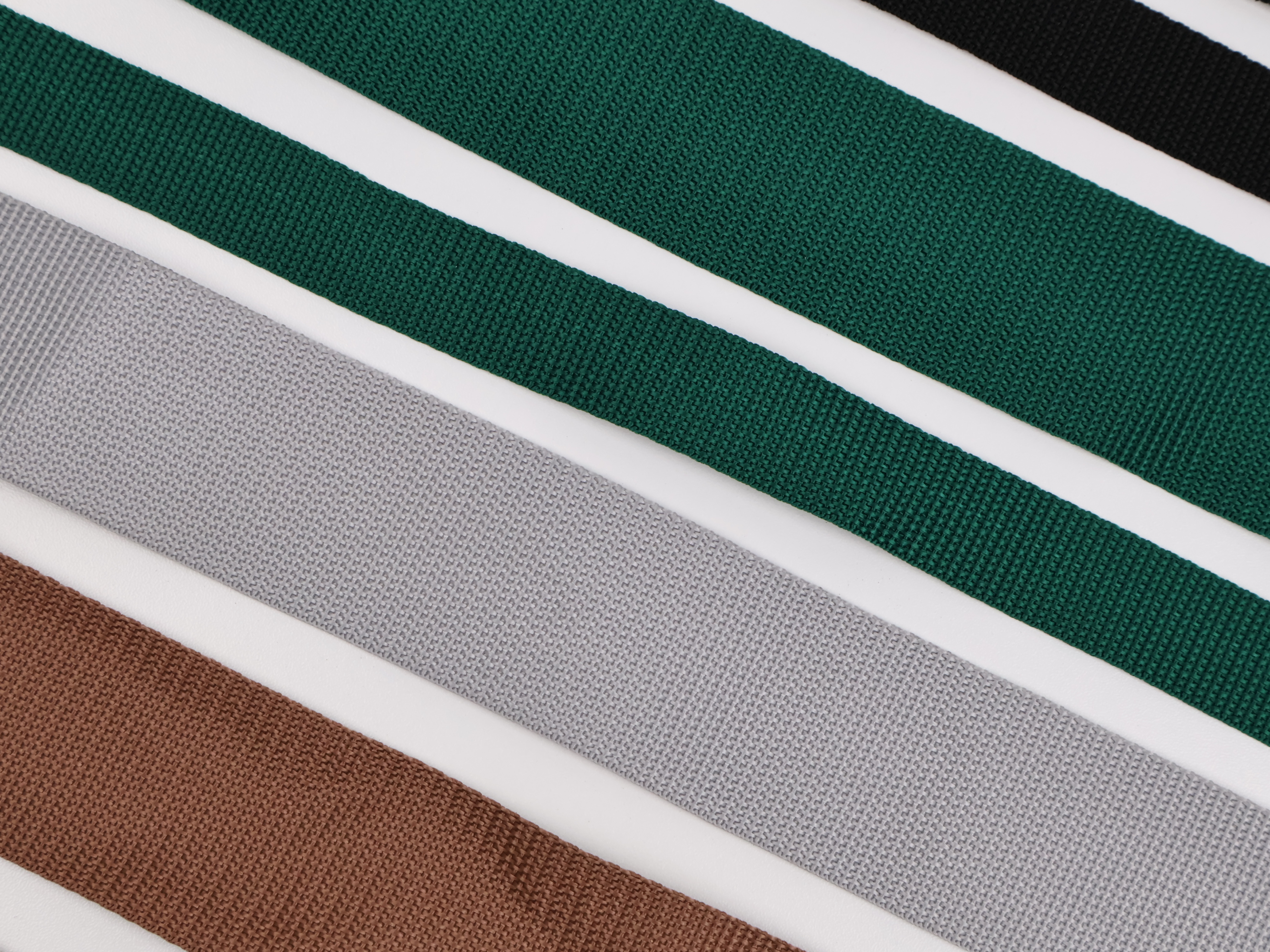
Webbing may look like a small component on a baby carrier, but it directly affects adjustability, load-bearing performance, caregiver comfort, and long-term product stability. For OEM buyers, webbing quality should never be reviewed only by color or hand feel. The right review should include material, width, thickness, surface texture, stitching connection, buckle compatibility, slippage control, and production consistency.
This guide explains how private label brands and sourcing teams can evaluate baby carrier webbing before approving samples or confirming bulk production. It is written for buyers comparing suppliers, reviewing technical samples, or developing a custom baby carrier with factory support.
Table of Contents
- Why Webbing Quality Matters
- Material, Width, and Thickness
- Slippage and Adjustment Performance
- Connection Points and Stitching
- QC Checklist for OEM Buyers
- Compliance and Documentation
- Questions to Ask Suppliers
- How Webbing Affects OEM Development
- FAQ
- Conclusion
- Related Reading
- Sources
Why Webbing Quality Matters
Baby carrier webbing is used in shoulder straps, waist belts, side adjustments, chest straps, leg openings, and sometimes head support adjustment areas. These parts help caregivers tighten, loosen, and stabilize the carrier during use. If the webbing is too soft, too thin, too slippery, or poorly matched with the buckle, the carrier may gradually loosen during repeated movement.
For B2B buyers, this is both a product quality issue and a brand risk issue. A carrier that looks good in photos may still create complaints if the straps slip, twist, feel rough, or cannot hold adjustment after normal use. Buyers reviewing an OEM baby carrier sample should therefore check the webbing as a functional component, not only as an accessory.
Webbing quality also affects manufacturing consistency. A supplier may approve one good sample, but bulk production needs the same webbing width, thickness, weave density, color, and surface friction from roll to roll. This is why webbing specifications should be written clearly in the product specification sheet before bulk production begins.
Material, Width, and Thickness
Most baby carrier webbing is made from synthetic fibers such as polyester or nylon because these materials can provide strength, dimensional stability, and color consistency. Polyester is commonly used when buyers want lower stretch, good abrasion resistance, and stable color performance. Nylon may feel softer in some applications, but buyers should still review stretch, recovery, and buckle compatibility before approval.
Width is one of the first points to confirm. Narrow webbing may reduce weight, but it can also affect pressure distribution and buckle grip. Wider webbing may improve stability in waist belts or shoulder adjustment areas, but it must still fit correctly through sliders, ladder locks, and buckles.
Thickness also matters. If webbing is too thin, it may slip through adjustment hardware more easily. If it is too thick, it may be difficult for caregivers to adjust smoothly. For structured products such as a 3 in 1 baby hipseat carrier, webbing around the waist belt and shoulder strap system should be reviewed with extra care because these areas are closely connected to support and load distribution.
Slippage and Adjustment Performance
Webbing slippage is one of the most important quality concerns in baby carrier development. A strap may hold well during a quick sample review but loosen after repeated pulling, bending, wearing, or movement. OEM buyers should test adjustment stability after the webbing has been pulled through buckles multiple times, not only when the sample is new.
The surface texture of the webbing influences how well it grips the adjustment hardware. A very smooth surface may feel premium, but it can reduce friction. A rougher weave may improve holding performance, but it can feel less comfortable if it contacts the caregiver’s skin or rubs against fabric panels.
Adjustment should also feel balanced. The strap should pull smoothly when the caregiver intentionally adjusts it, but it should not loosen too easily during wearing. This balance depends on webbing thickness, buckle design, slider angle, stitch placement, and the path of the strap through the carrier.
For a baby carrier manufacturer, webbing review should include repeated adjustment checks during sample development and random inspection during bulk production. This helps identify roll-to-roll differences before finished products are packed and shipped.
Connection Points and Stitching
Webbing does not work alone. Its performance depends heavily on how it is connected to the body panel, shoulder strap, waist belt, buckle, and reinforcement areas. A strong webbing material can still fail as a product feature if the stitching layout is weak or if the connection point is poorly positioned.
OEM buyers should review bar-tack stitching, box stitching, stitch density, thread condition, seam allowance, and reinforcement layers around high-stress points. The webbing end should be finished cleanly to reduce fraying. Folded webbing ends should be neat and stable, especially where the webbing attaches to buckles or load-bearing panels.
In baby carrier development, the most important connection areas usually include shoulder strap adjustment points, waist belt webbing, chest strap attachments, side panel straps, and any webbing used near head or neck support. These areas should be reviewed together with seat width, panel height, M-position support, shoulder padding, waist belt structure, and overall fit testing.
QC Checklist for OEM Buyers
A practical webbing inspection should combine visual review, measurement, functional checks, and production record review. Buyers do not need to create an overly complicated system, but the inspection points should be clear enough for the supplier, quality team, and buyer to evaluate the same standard.
| Inspection Point | What to Check | Why It Matters |
|---|---|---|
| Material | Polyester, nylon, or approved equivalent | Affects strength, stretch, abrasion resistance, and feel |
| Width | Matches approved sample and buckle size | Controls buckle fit and adjustment stability |
| Thickness | Consistent from roll to roll | Prevents slippage or difficult adjustment |
| Surface Texture | Not too slippery, not too abrasive | Balances grip and user comfort |
| Color | Matches approved color standard | Supports brand consistency in bulk production |
| Stitching Connection | Secure bar-tacks or reinforcement stitching | Protects load-bearing points |
| Adjustment Test | Pull, loosen, tighten, and repeat | Checks real-use performance |
| Finished Ends | No fraying, melting marks, or rough edges | Improves durability and appearance |
During sample approval, buyers should keep a confirmed reference sample and record the webbing width, color, texture, thickness, and supplier code if available. During bulk production, the QC team can compare production units against this reference. For private label buyers developing custom baby products, these details should be included before final packaging artwork and production confirmation.
Compliance and Documentation
Webbing quality is part of the broader baby carrier safety and documentation review. Buyers should not treat webbing as a separate accessory that can be changed freely after testing or sample approval. If the webbing material, width, thickness, or buckle compatibility changes, the product’s adjustment performance and load-bearing behavior may also change.
For importers, compliance should be checked by product type, destination market, intended age range, and final product design. In the United States, buyers may need to review applicable children’s product requirements, test reports, tracking label information, and Children’s Product Certificate preparation. For baby carriers, buyers should also be aware of relevant standards such as ASTM F2236 for soft infant and toddler carriers where applicable.
For the European market, buyers should discuss the applicable product category and relevant EN requirements with qualified testing partners. The supplier should be able to explain which sample version was tested, which components were included, and whether the tested construction matches the planned bulk production version.
Questions to Ask Suppliers
Before confirming a baby carrier order, buyers should ask direct questions about webbing sourcing and quality control. These questions help reveal whether the supplier is managing webbing as a controlled component or simply choosing available stock material.
- What webbing material is used for the shoulder straps, waist belt, and adjustment areas?
- What are the approved width and thickness tolerances?
- Is the webbing supplier fixed for bulk production?
- How is webbing slippage checked during sample development?
- Are buckle and webbing compatibility checked together?
- How are high-stress stitching points inspected?
- Can the webbing color be matched to brand requirements?
- What happens if a webbing roll has a visible color or texture difference?
The answers should be specific. A supplier that only says the webbing is “good quality” may not be giving enough information for a serious OEM project. Buyers should look for measurable specifications, inspection procedures, and a clear sample approval process.
How Webbing Affects OEM Development
Webbing decisions can influence the entire baby carrier design. A thicker webbing may require different buckles. A softer webbing may change the feel of the shoulder adjustment. A different color may affect the visual balance between the body panel, waist belt, straps, and packaging photography.
For breathable fabric carriers, webbing should support the lightweight positioning without feeling weak or unstable. For structured carriers, the webbing must coordinate with shoulder strap padding, reinforced stitching, waist belt support, and load-bearing points. For hipseat carriers, waist belt webbing deserves particular attention because it is closely tied to the user’s perception of support and stability.
Good OEM development means that webbing is confirmed together with fabric, buckles, padding, label placement, instruction manual wording, warning labels, and packaging. When these details are aligned early, brands can reduce repeated sample revisions and improve the chance that the approved sample matches bulk production.
FAQ
What is the best webbing material for baby carriers?
There is no single best material for every design. Polyester is commonly used because it can offer stable strength, low stretch, and good color consistency, while nylon may be selected for certain feel or flexibility requirements. Buyers should evaluate material together with buckle fit, adjustment smoothness, and slippage control.
How can buyers check baby carrier webbing slippage?
Buyers should repeatedly tighten, loosen, and pull the straps through the buckle or slider. The webbing should move smoothly during intentional adjustment but should not loosen easily after tension is applied. Slippage should be checked after repeated use, not only on a new sample.
Should webbing be tested separately from buckles?
Webbing and buckles should be reviewed together. A buckle that performs well with one webbing may not hold the same way with a different thickness, weave, or surface finish. Compatibility testing is important before approving production.
Can webbing color be customized for private label baby carriers?
Yes, webbing color can often be customized, but buyers should confirm minimum quantity, color matching method, lead time, and bulk consistency. A reference sample should be kept for comparison during production inspection.
What webbing details should be included in a product specification sheet?
The specification should include material, color, width, thickness, texture, approved supplier or material code if available, buckle compatibility, stitching method, and inspection requirements. This helps reduce misunderstanding between the buyer and factory.
Conclusion
Baby carrier webbing quality affects more than appearance. It influences adjustment stability, load-bearing performance, caregiver comfort, stitching strength, and bulk production consistency. OEM buyers should review webbing as part of the complete carrier system, including buckles, shoulder straps, waist belt, body panel, instruction manual, warning labels, and compliance documents.
Brands developing private label baby carriers should confirm webbing material, width, thickness, slippage performance, stitching connection, and supplier documentation before approving bulk production. A clear webbing specification helps protect both product quality and brand trust.
Related Reading
- Baby Carrier Product Category
- Wholesale Baby Carriers
- 3 in 1 Baby Hipseat Ergonomic Carrier
- Babynice Customization Process


